
Developer Tooling
Autonomous Code Refactoring Agent
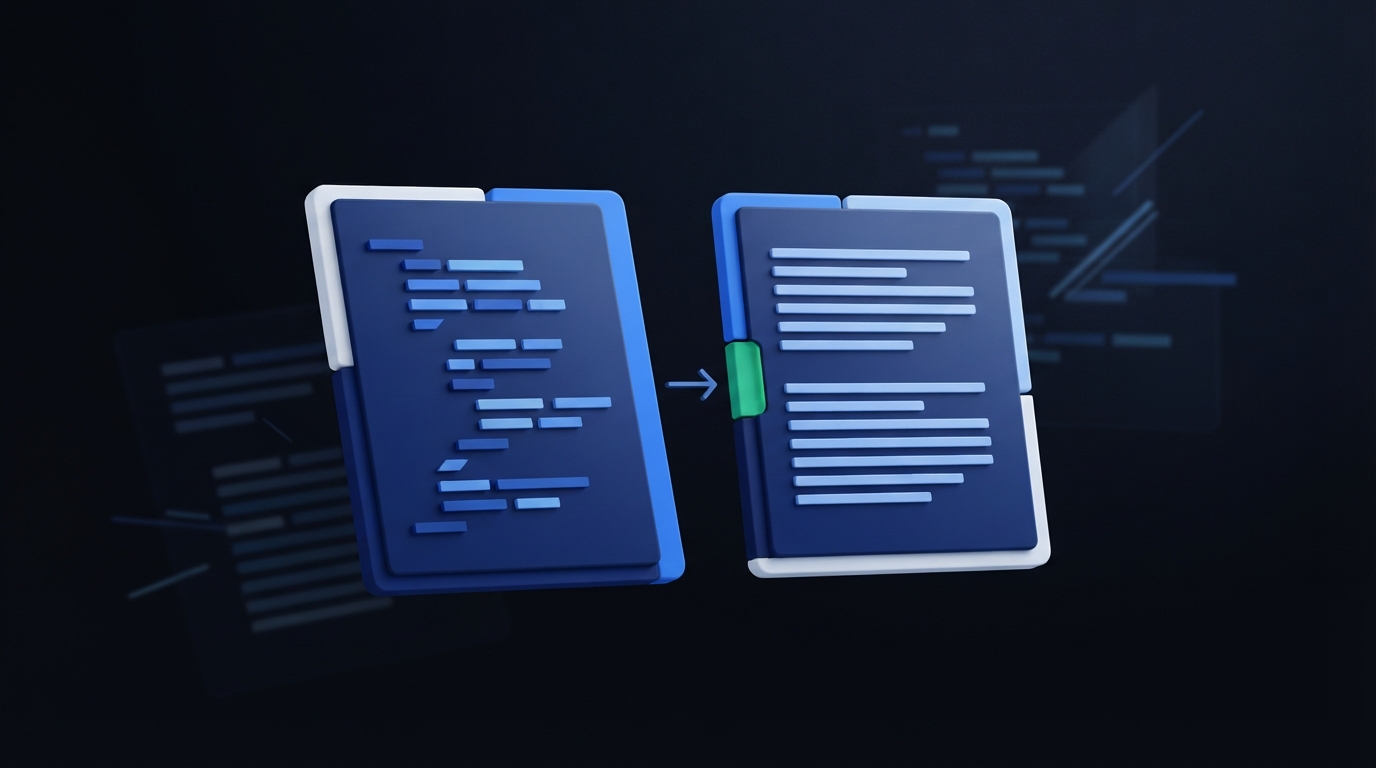
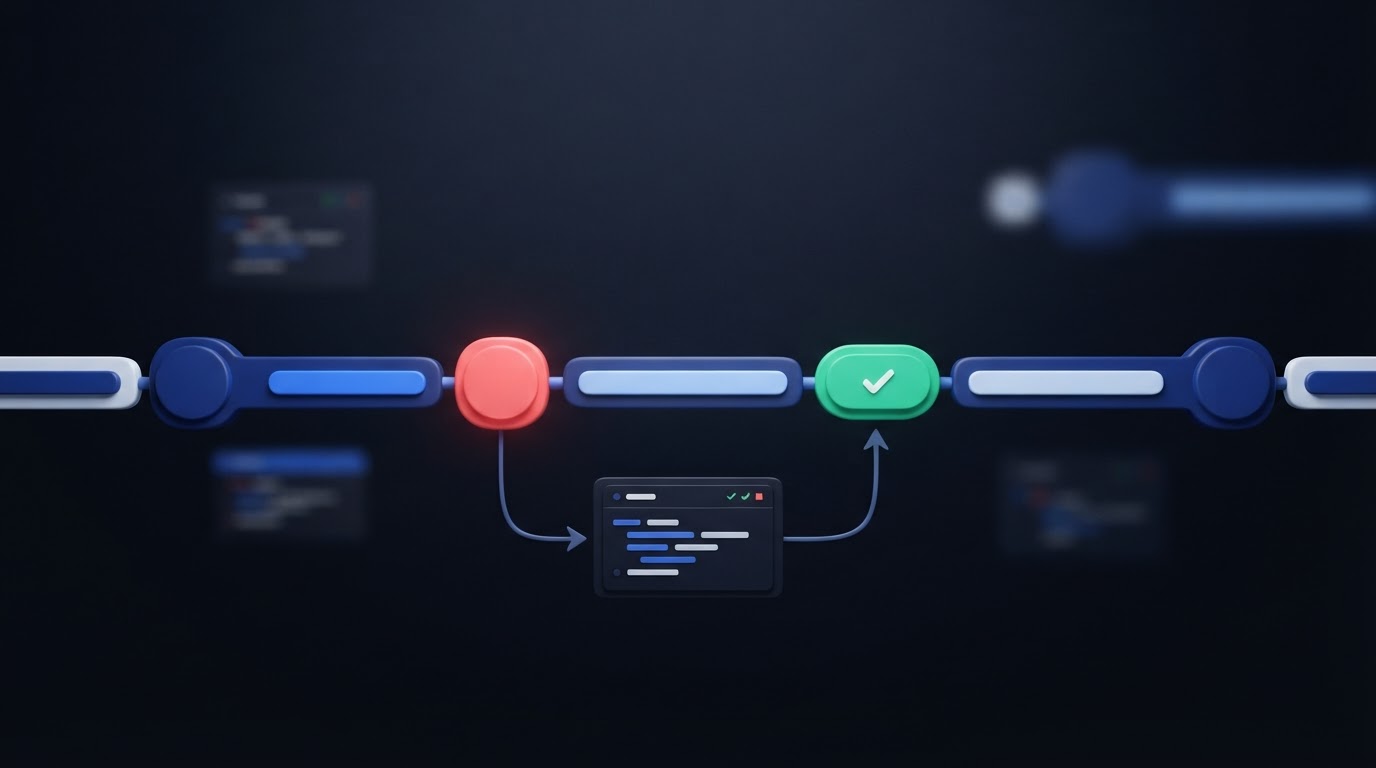
Three-stage pipeline: AST parsing + static analysis, LLM-powered fixes, test validation. 35% complexity reduction on 10k+ line codebases.
The problem
As codebases grow, technical debt piles up faster than teams can identify and safely address it.
- Everyone agrees that module needs a rewrite; nobody has a sprint for it.
- A "quick fix" adds another layer onto code that already had too many layers.
- The riskiest file to touch is also the one that gets touched most often.
What NEO built
NEO combined static AST analysis, AI-generated refactoring suggestions, and dependency mapping, then applied automated transforms (extract method, split class) verified against the existing test suite.
The result
35% complexity reduction
Cut cyclomatic complexity by 35%+ on 10k+ line codebases while keeping 100% of tests passing.

From the blog · 8 min
Building an Autonomous Code Analysis and Refactoring Agent with LLM-Powered Improvements
NEO built a three-stage refactoring agent: AST parsing, pylint, flake8, Radon for analysis; Ollama LLM for fixes; test validation before commit. 98% complexity detection, 35% complexity reduction on 10k+ line codebases.
Try this in your workspace
Paste this into NEO chat to kick off the same workflow on your own data.
Run static AST analysis over my codebase, flag the highest-complexity hotspots, and apply verified refactors (extract method, split class) that pass my existing test suite.
Paste it in · review the plan · get the diff
Get NEO