
Build Agents
Spec-to-Ship Multi-Agent Pipeline
Five-agent engineering pipeline: plain-language spec in, typed TypeScript code + test suites + security audit out.
The problem
Specs and shipped code drift apart because there's no traceable link between what was written and what an engineer actually built.
- The spec doc says one thing; the merged PR does something adjacent but different.
- Nobody can trace which line of code came from which requirement.
- By the time QA reads the spec, the implementation has already diverged from it.
What NEO built
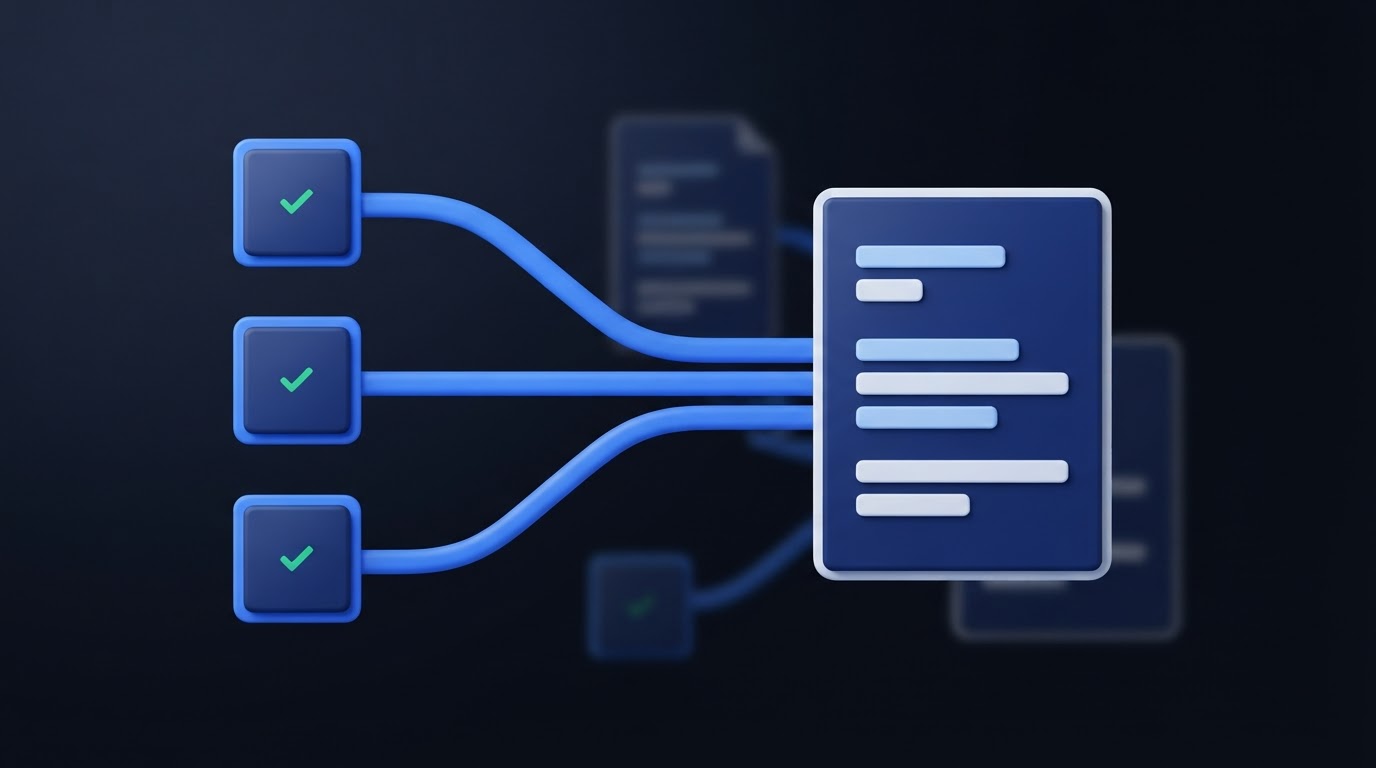
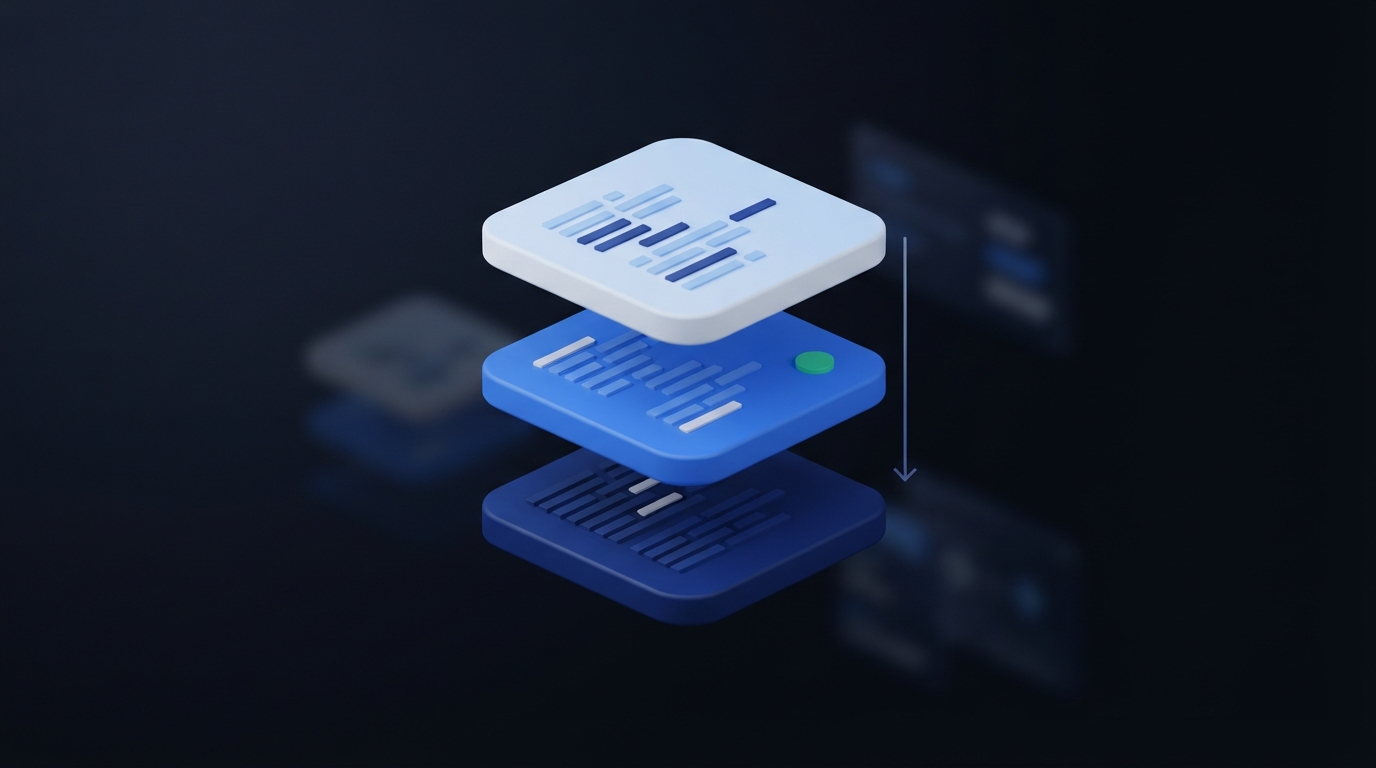
NEO ran a five-agent pipeline (spec parser, planner, implementer, and reviewer) that turns a plain-language spec into typed TypeScript code, tests, and a security audit, with human approval gates between stages.
The result
5-agent spec-to-code pipeline
Moves features from written spec to merged code faster while keeping every change traceable back to the original requirement.
From the blog · 8 min
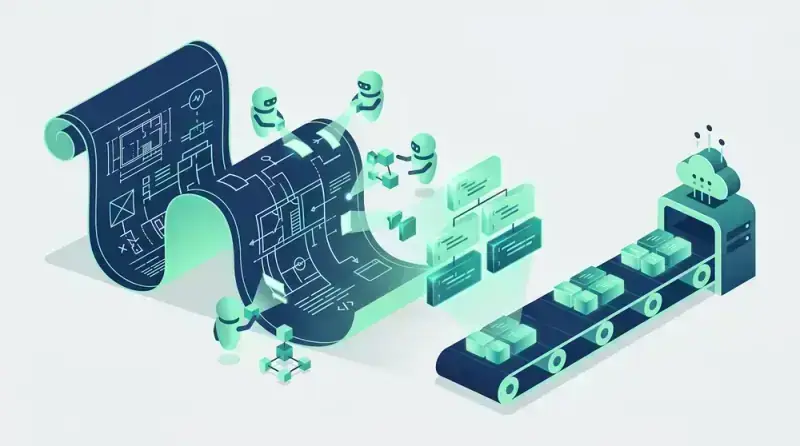
Spec to Ship: A Multi-Agent Pipeline That Turns Feature Ideas into Production Code
NEO autonomously built a five-agent engineering pipeline that takes a plain-language feature spec and produces typed TypeScript code, test suites, and a security audit, automatically.
Try this in your workspace
Paste this into NEO chat to kick off the same workflow on your own data.
Take this plain-language spec and turn it into typed TypeScript code, tests, and a security audit, with an approval gate before each stage ships.
Paste it in · review the plan · get the diff
Get NEO